
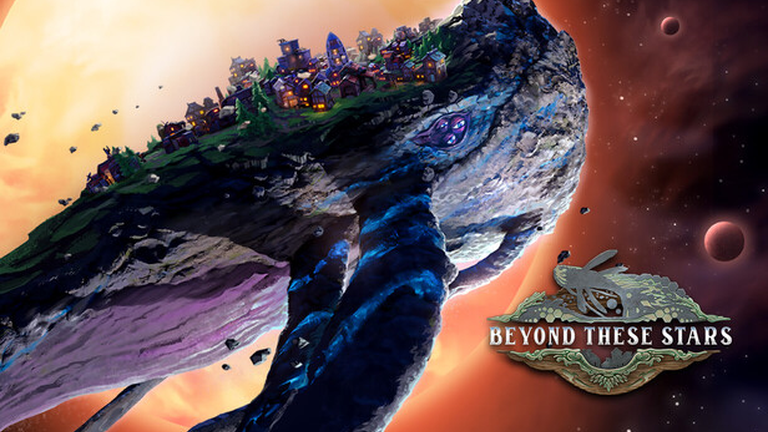
When Balancing Monkey Games first introduced their ambitious colony-management project during the Beyond These Stars steam next fest event, strategy fans knew they were in for something extraordinary. The initial public demo, which dropped right in the middle of the Beyond These Stars steam next fest, gave players their very first taste of building a thriving civilization on the back of a massive, sentient space whale.
Since those early festival days, the game has evolved from a promising preview into a fully realized 1.0 release published by Hooded Horse. Let’s dive into how this cozy space-whale survival simulator captured the hearts of simulation enthusiasts worldwide.
From Festival Demo to Full Release: The Journey of Kewa and the Peeps
The road to launch began in earnest when the developers published their playable slice of life during the Steam Next Fest. Unlike many promotional demos that vanish after a week, the team chose to leave the preview active, allowing eager players to test out the early mechanics long after the event concluded. This transparency fostered an active, dedicated community that directly influenced the game’s development right up to its official launch date on October 16, 2026.
Building a settlement on a living creature requires an entirely different mindset compared to traditional top-down city builders. Instead of conquering a static landscape, players must work in tandem with Kewa—a lonely cosmic leviathan journeying across the universe. Your citizens, known affectionately as the Peeps, must balance their industrial ambitions with the delicate biological ecosystem of their colossal host.
| Development Milestone | Date / Timeframe | Key Significance |
|---|---|---|
| Initial Public Demo | June 2024 | Debuted during Steam Next Fest; left active for extended play. |
| Community Feedback Phase | 2024 – 2026 | Direct player input shaped early game balance and quality-of-life updates. |
| Version 1.0 Launch | October 16, 2026 | Full game released with a 20% introductory launch discount. |
| First Hotfix Patch | October 17, 2026 | Addressed building movement blocks, power range lines, and localization fixes. |
Core Gameplay Mechanics: Balancing Industry and Ecosystem
At its heart, the game blends cozy exploration with intricate logistics. When your Peeps arrive on Kewa’s back, they find a largely desolate terrain punctuated by a small patch of green near water. From these humble beginnings, you must plan your production chains carefully. Every factory, mine, and power generator impacts the environment, meaning unchecked industrialization leads quickly to toxic waste.
Community reports and early reviews highlight the challenge of managing resources like soot and power connections during the early-game tutorial. Balancing the demands of your expanding population with Kewa’s comfort level creates a tense, engaging gameplay loop. If you push the industrial ecosystem too far, the habitat shrinks, forcing you to seek out-of-world solutions via planetary outposts.
| Resource System | Primary Function | Potential Hazards If Mismanaged |
|---|---|---|
| Power Generators | Supplies electricity to neighboring industrial buildings. | Pollution ranges and incorrect placement can halt production chains. |
| Soot Production | Essential crafting component required for advanced tech. | Over-reliance on burners can flood your storage with unwanted raw metals. |
| Composting & Landscaping | Cleans up pollution and expands green spaces. | Slow composting rates can leave your settlement overwhelmed by toxins. |
| Planetary Outposts | Gathers supplementary resources from nearby worlds. | Kewa may move on to a new system if your symbiotic bond weakens. |
Quality of Life and Improvements Over Before We Leave
Veterans of Balancing Monkey Games’ previous title, Before We Leave, will find plenty of familiar charm, but also substantial structural upgrades. According to community feedback from playtesters, the map design in Beyond These Stars feels significantly less cramped and compact than its predecessor. The developers actively listened to player suggestions regarding design balance, resulting in a much smoother early-game curve that welcomes casual players and hardcore micro-managers alike.
Furthermore, the launch version features robust localization support across 15 languages, ensuring that interstellar architects from all over the globe can guide their Peeps without language barriers. Minor post-launch patches—such as Hotfix #1, which corrected building movement logic and generator power range indicators—demonstrate the studio’s ongoing commitment to polish.
| Feature Comparison | Before We Leave | Beyond These Stars |
|---|---|---|
| Primary Setting | Planetary tiles and archipelagos | The back of a moving cosmic space whale |
| Map Spacing | Tight, compact hexagonal grids | Broader, more flexible organic terrain |
| Exploration Scope | Multi-planet system within one galaxy | Interstellar travel across changing star systems |
| Symbiotic Mechanics | N/A | Managing the happiness and ecosystem of a living host |
System Requirements and Technical Performance
Running a simulated ecosystem atop a celestial animal requires a competent PC rig. Fortunately, the optimization work done since the demo phase ensures smooth performance for most modern hardware configurations. You can check out the official Steam Store Page for direct purchase options and bundle discounts.
To help you prepare your setup, here is a breakdown of the official minimum and recommended hardware specifications required to run the simulation efficiently.
| Specification Tier | Processor (CPU) | Memory (RAM) | Graphics (GPU) | Storage Space |
|---|---|---|---|---|
| Minimum Requirements | Intel Core i5-6600 / AMD Ryzen 3 3200G | 8 GB RAM | NVIDIA GTX 960 (4GB) / AMD RX 570 (4GB) | 7 GB available space (SSD recommended) |
| Recommended Setup | Intel Core i5-9600 / AMD Ryzen 5 2600X | 16 GB RAM | NVIDIA RTX 2070 (8GB) / AMD RX 6600 XT (8GB) | 7 GB available space (SSD recommended) |
Community Reception and Where to Join the Discussion
The reception from critics and players alike has been overwhelmingly positive. Major gaming outlets have praised the sheer originality of setting a city builder on a roaming leviathan, comparing its eclectic vibe to a mix of classic management titles and whimsical space exploration.
If you want to share your settlement designs, troubleshoot tricky quest steps, or read community-crafted beginner guides, you can connect with fellow players across various official hubs.
| Community Platform | Best Used For |
|---|---|
| Official Discord Server | Real-time chat, feedback forums, and direct developer interaction |
| Steam Community Discussions | Bug reports, technical troubleshooting, and user-made guides |
| Reddit & Social Media (X/Bluesky) | Sharing screenshots, creative city layouts, and meme sharing |
Frequently Asked Questions
What was the significance of the Beyond These Stars demo during Steam Next Fest?
The demo gave players their first public look at the game’s unique space-whale mechanics. Because the developers kept the demo playable long after the festival ended, it helped build a strong community feedback loop that shaped the 1.0 release.
Is Beyond These Stars a difficult survival game?
While it features resource management and pollution mechanics, the game leans more toward a cozy, story-driven exploration experience rather than a punishing survival simulator. Players can balance their industrial growth with ecological sustainability at their own pace.
Do I need to play Before We Leave before jumping into this game?
No, Beyond These Stars is an entirely standalone experience set in a different universe. While returning fans will recognize the studio’s signature charm, no prior knowledge of their previous games is required.
What platforms is the game available on?
The game is currently available on PC via Steam, featuring full controller playability classification as Steam Deck Playable alongside various language localizations.