
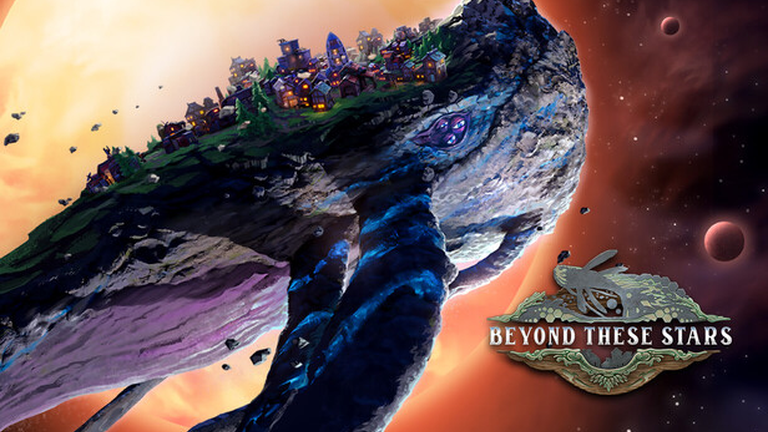
When prospective colony simulation fans watch the Beyond These Stars trailer, they are instantly introduced to one of the most eccentric premises in modern strategy gaming. As you dive into the Beyond These Stars trailer, you will discover a mesmerizing blend of cosmic exploration and intimate settlement management that sets a brand-new tone for the genre. Developed by Balancing Monkey Games and published by Hooded Horse, this unique survival and simulation title challenges players to build a thriving metropolis entirely on the back of a massive, sentient space whale named Kewa.
The initial marketing campaign, starting from its early announcements through to the official launch footage, has captivated strategy enthusiasts looking for something beyond traditional terrestrial builders. By combining intricate supply chains, terraforming mechanics, and a deeply emotional bond with a cosmic companion, the game carves out a distinct identity. Whether you are analyzing the latest promotional video or jumping straight into the 1.0 release, understanding what makes this title tick will help you build a sustainable habitat among the stars.
Unpacking the Beyond These Stars Trailer and Core Premise
The core premise showcased in promotional video material revolves around your people, affectionately known as Peeps, recovering from turbulent times. Finding sanctuary on Kewa, a lonely space whale journeying across the universe, changes everything about traditional colony management. Instead of building on stationary land, your city moves through the galaxy, presenting a dynamic landscape that requires careful planning and constant adaptation.
| Feature Highlight | Description | Gameplay Impact |
|---|---|---|
| Living Foundation | Building on a sentient space whale | Requires balancing city growth with Kewa’s ecosystem health. |
| Galactic Travel | Moving from star system to star system | Provides changing resource availability and temporary outpost needs. |
| Sentient Companion | Kewa has independent moods and goals | Symbiotic relationship dictates how long you can stay in a system. |
When analyzing the promotional footage, viewers quickly notice how the visual style merges cozy aesthetics with industrial logistics. You aren’t just placing concrete slabs and factories; you are constructing infrastructure on living tissue, which introduces unique ecological pressures. If your industrialization generates too much toxic waste, your citizens—and your massive host—will suffer the consequences.
Gameplay Mechanics Explored in the Launch Footage
The official footage highlights deep economic and logistical systems that will appeal to fans of automation and colony simulators. While the concept sounds whimsical, the underlying management mechanics are robust. Players must orchestrate complex production lines, establish power grids, and manage worker allocation to keep their society functioning smoothly.
| Resource System | Primary Function | Potential Challenge |
|---|---|---|
| Power Generation | Fuels factories, smelters, and basic huts | Managing generator ranges and pollution output. |
| Soot and Smelting | Essential for advanced construction | Balancing supply generation without flooding storage with excess metals. |
| Terraforming | Canals, topsoil, and tree planting | Combating pollution and expanding habitable zones. |
According to community reports from early players, managing early-game resources like soot and power requires careful spatial planning. A misplaced ore smelter or burner generator can leave your settlement temporarily deadlocked during the tutorial phase. Fortunately, the development team has rolled out responsive hotfixes to address range indicators, building movement blocks, and localization errors to ensure a smoother onboarding experience.
Exploring the Galaxy and Interacting with Alien Species
Beyond managing the immediate surface of your cetacean home, the footage showcases expansive galactic exploration. Kewa does not travel aimlessly; your journey involves jumping between different star systems, each offering unique challenges and opportunities.
| Exploration Feature | Objective | Benefit to Settlement |
|---|---|---|
| Planetary Outposts | Harvest resources missing on Kewa | Supplements local supplies without over-exploiting your host. |
| Alien Diplomacy | Meet foreign space-faring species | Unlocks fresh tech trees, trade agreements, and bonus objectives. |
| Lore Unveiling | Discover the history of space whales | Deepens the narrative connection between Peeps and Kewa. |
Establishing outposts on neighboring planets is vital because Kewa’s back has strict spatial limits and resource scarcity. However, you cannot simply drain a star system dry. If you fail to maintain a healthy relationship with Kewa, the space whale may decide it is time to move on before you have secured all necessary materials. This creates an engaging time-pressure loop that differentiates the game from static city builders.
System Requirements and Technical Performance
Before diving into the experience showcased in the promotional videos, players need to ensure their hardware meets the necessary specifications. Published by Hooded Horse, the title is optimized for modern Windows PCs, featuring scalable settings to accommodate various hardware configurations.
| Specification Tier | Processor | Memory (RAM) | Graphics Card | Storage |
|---|---|---|---|---|
| Minimum | Intel i5-6600 / AMD Ryzen 3 3200G | 8 GB | NVIDIA GTX 960 / AMD RX 570 | 7 GB SSD |
| Recommended | Intel i5-9600 / AMD Ryzen 5 2600X | 16 GB | NVIDIA RTX 2070 / AMD RX 6600 XT | 7 GB SSD |
Player experience notes indicate that running the game on an SSD significantly improves loading times and map responsiveness. Furthermore, the title is fully playable on Steam Deck, allowing you to manage your space whale habitat on the go. To check out bundles, discounts, and community reviews, you can visit the official Steam Store Page for Beyond These Stars.
Community Reception and Early Player Feedback
Since its launch on October 16, 2026, the game has garnered generally positive reviews from strategy enthusiasts and media outlets alike. Major gaming publications have praised the title for successfully blending cozy exploration with intricate supply chain logistics. Reviewers frequently compare the feeling of caring for Kewa to classic creature-interaction simulations, noting how the space whale feels surprisingly autonomous and responsive.
| Review Aspect | Player Sentiment | Key Takeaway |
|---|---|---|
| Visuals & Atmosphere | Overwhelmingly Positive | Cozy, beautiful, and distinct sci-fi aesthetic. |
| Logistics & Balance | Mixed to Positive | Engaging economy, though early-game resource balancing can feel tight. |
| Developer Support | Highly Positive | Active hotfixing and rapid response to player feedback. |
Community discussions highlight that while min-maxing traditional factory layouts is possible, the game shines brightest when approached as a relaxing, story-driven journey. The developers’ willingness to listen to playtester feedback regarding quality-of-life enhancements—such as more flexible map layouts compared to their previous title, Before We Leave—has earned them immense goodwill from the simulation community.
Frequently Asked Questions
What is the main premise shown in the Beyond These Stars trailer?
The trailer introduces players to a society of survivors called Peeps who build their civilization on the back of Kewa, a sentient space whale traveling across the universe. Players must balance city building, resource management, and ecological sustainability while journeying through different star systems.
When was Beyond These Stars released?
The game officially launched its 1.0 version on October 16, 2026, on PC platforms via Steam, Epic Games Store, and GOG, accompanied by an introductory launch discount.
Is Beyond These Stars available on handheld devices?
Yes, the game is verified as playable on the Steam Deck, making it convenient for players who want to manage their space whale settlement away from a traditional desktop setup.
How does resource management work on a space whale?
Players must construct production chains, power generators, and terraforming tools while ensuring their industrial output does not overwhelm Kewa’s fragile ecosystem with toxic waste or pollution. Outposts on nearby planets can be established to gather supplementary resources.